
What Size Dumpster Do I Need in Plymouth, MA?
Five roll-off sizes, one simple rule for picking between them — matched to the projects Plymouth and South Shore homeowners actually run.
Plymouth dumpster guide
Massachusetts has some of the country's strictest waste disposal ban rules. Here's what actually applies to a typical home project or renovation in Plymouth, and how to stay on the right side of it.
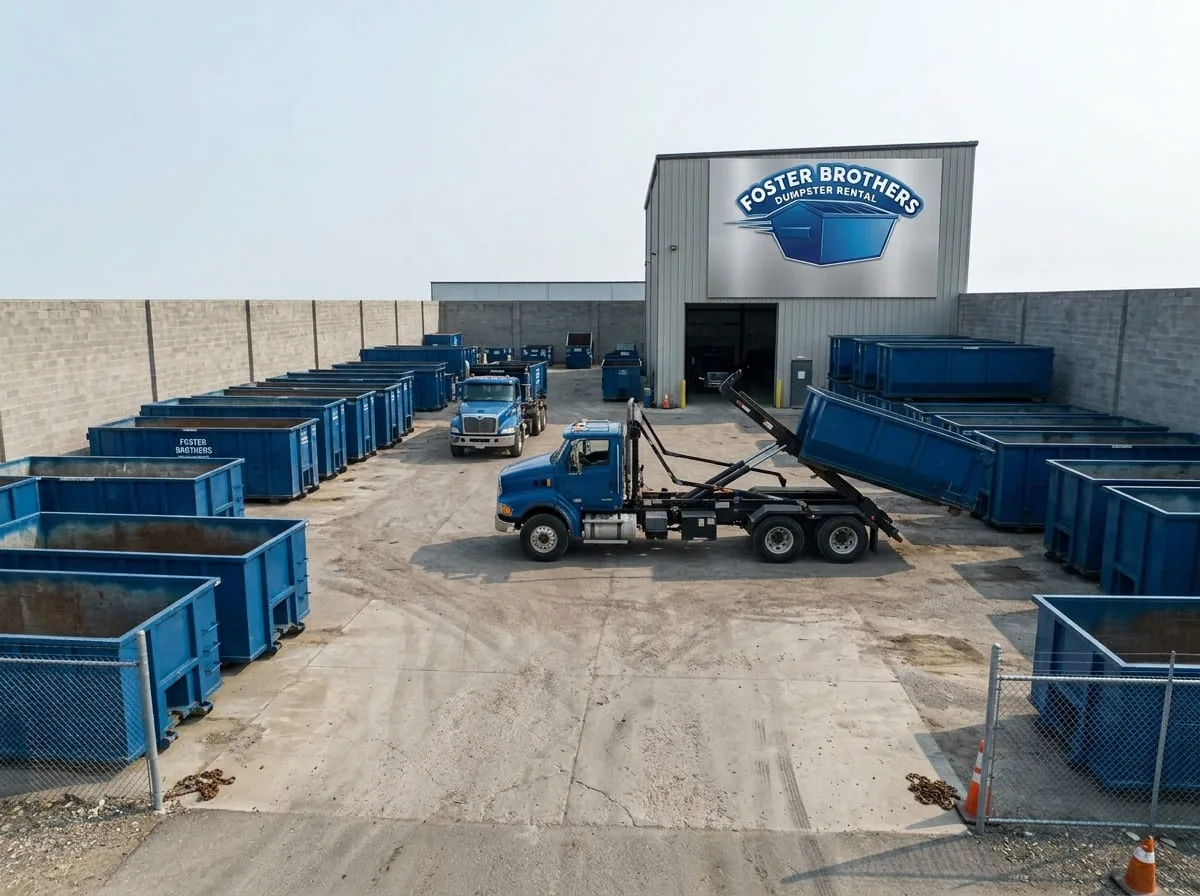
Massachusetts has been ahead of most of the country on waste disposal bans for a long time, and it can catch people off guard the first time they realize how much can't simply go in a regular dumpster or trash pickup. Whether you're clearing out a house, tackling a renovation, or handling straightforward yard cleanup, it helps to know what the state actually restricts before debris starts piling up.
Massachusetts was the first state in the nation to ban cathode-ray tubes — the old, heavy glass tubes inside older TVs and computer monitors — from landfills and incinerators, effective April 1, 2000. That ban is still in effect today. If you're clearing out a house with an old tube television or CRT monitor tucked away in a basement or attic, it needs to be handled through electronics recycling rather than tossed in with general debris.
MassDEP's broader waste disposal ban list covers a fairly wide range of material beyond electronics, including:
The point of the list isn't to make disposal harder for its own sake — most of this material has real recycling or recovery value, and keeping it out of the general waste stream is both a legal requirement and, frankly, the more sensible use of the material. Both the person generating the waste and the hauler handling it are legally responsible for complying with these bans, which is part of why a reputable hauler pays close attention to what's actually going into a dumpster rather than treating it as a black box.
For the full, current list and details, MassDEP's own guide is the authoritative source: the MassDEP Waste Disposal Bans guide.
Construction and demolition, or C&D, debris gets its own set of practical guidance because it's such a common — and often heavy — category of waste. RecyclingWorks MA, the state's resource for business and construction recycling, publishes detailed guidance specifically for C&D material, covering everything from how to separate loads on site to which materials have the most straightforward recycling paths. It's a genuinely useful resource if you're planning a renovation or demolition project of any size: RecyclingWorks MA's C&D guidance.
Our construction dumpster rental and demolition debris service pages go into more detail on how we handle these material types, and our construction debris disposal guide is a useful companion read if you're planning a larger renovation project.
It's worth clearing up a common point of confusion: Plymouth County government today functions mainly as a Registry of Deeds and a court and sheriff system. It has no active role in waste or recycling regulation. That responsibility sits entirely with individual town departments — in Plymouth's case, the town's own Department of Public Works — and with the state through MassDEP. If you're in one of the other 13 towns in our service area, the same general structure applies: check with your own town's Department of Public Works for anything specific to local rules, since Plymouth County itself simply isn't the right place to look. Massachusetts falls under EPA Region 1, alongside the rest of New England, and the US EPA Region 1 page has broader federal context if you're curious how the layers fit together.
Most of what makes Massachusetts recycling and disposal rules feel complicated is really just a handful of specific banned materials — electronics, certain construction materials, mattresses and textiles — layered on top of otherwise ordinary trash and recycling. Sort the obvious categories as you go, ask before you assume something can just go in a dumpster, and lean on your hauler to help route the trickier material correctly.
Recycling rules tend to change a little over time, as the mattress and textile addition in 2022 shows, so it's worth checking MassDEP's guide directly if you're planning a large project rather than relying on secondhand summaries, including this one. The same goes for anything specific to your own town — a home renovation in Plymouth follows the town's own DPW guidance, while a project in one of the other towns in our service area should check with that town's own department rather than assuming Plymouth's rules apply everywhere. It's a small distinction, but it's the kind of thing that's easy to get wrong if you assume county or regional rules exist where they don't.
If you have questions about what a specific project's debris will involve, our contact page is the easiest way to get a straight answer before your dumpster arrives.
FAQs
No. Massachusetts has banned cathode-ray tubes, the glass inside older TVs and computer monitors, from landfills and incinerators since April 1, 2000. Old tube TVs and monitors need to go through electronics recycling instead.
The list includes asphalt, brick, and concrete, metal, wood waste, clean gypsum wallboard, cathode-ray tube glass, and, since November 2022, mattresses and textiles. MassDEP's guide has the complete, current list.
No. Plymouth County government today mainly handles the Registry of Deeds and the court and sheriff system. Waste and recycling rules are set at the town level and by the state through MassDEP, not by the county.
Ready when you are
Call and you will speak to someone local who knows the streets, the permit rules and which box actually fits your driveway. Flat rate quoted up front.
Keep reading
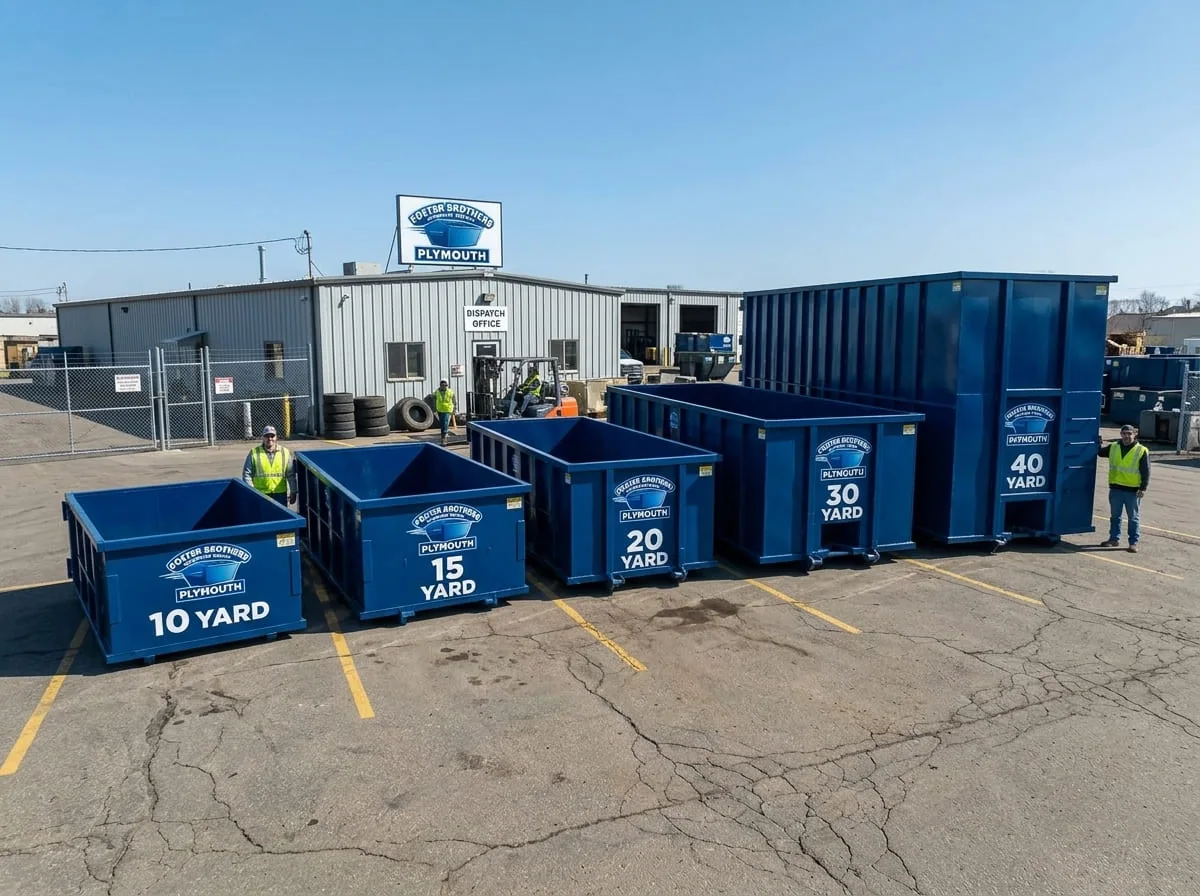
Five roll-off sizes, one simple rule for picking between them — matched to the projects Plymouth and South Shore homeowners actually run.
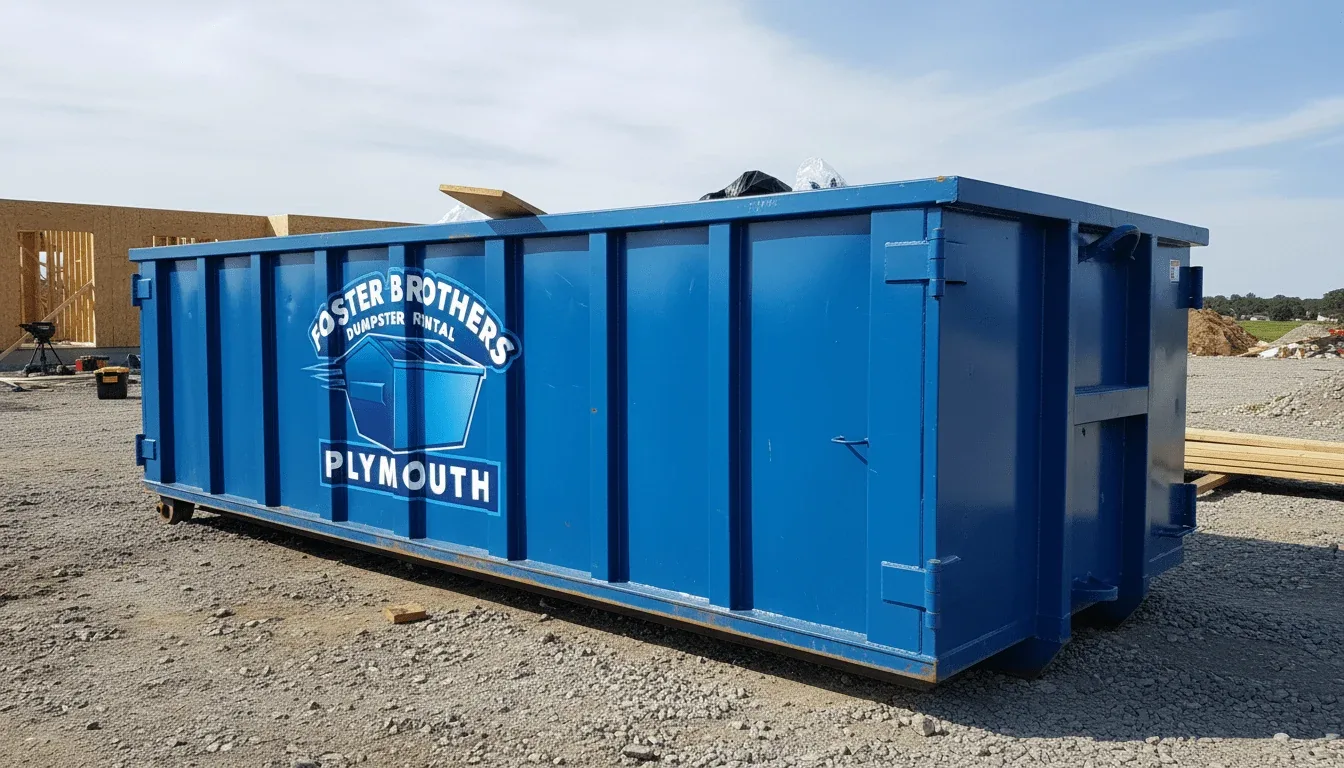
No two dumpster jobs price the same. Here are the real factors behind a flat-rate quote — size, tonnage, rental length and material — so you know what to describe when you call.
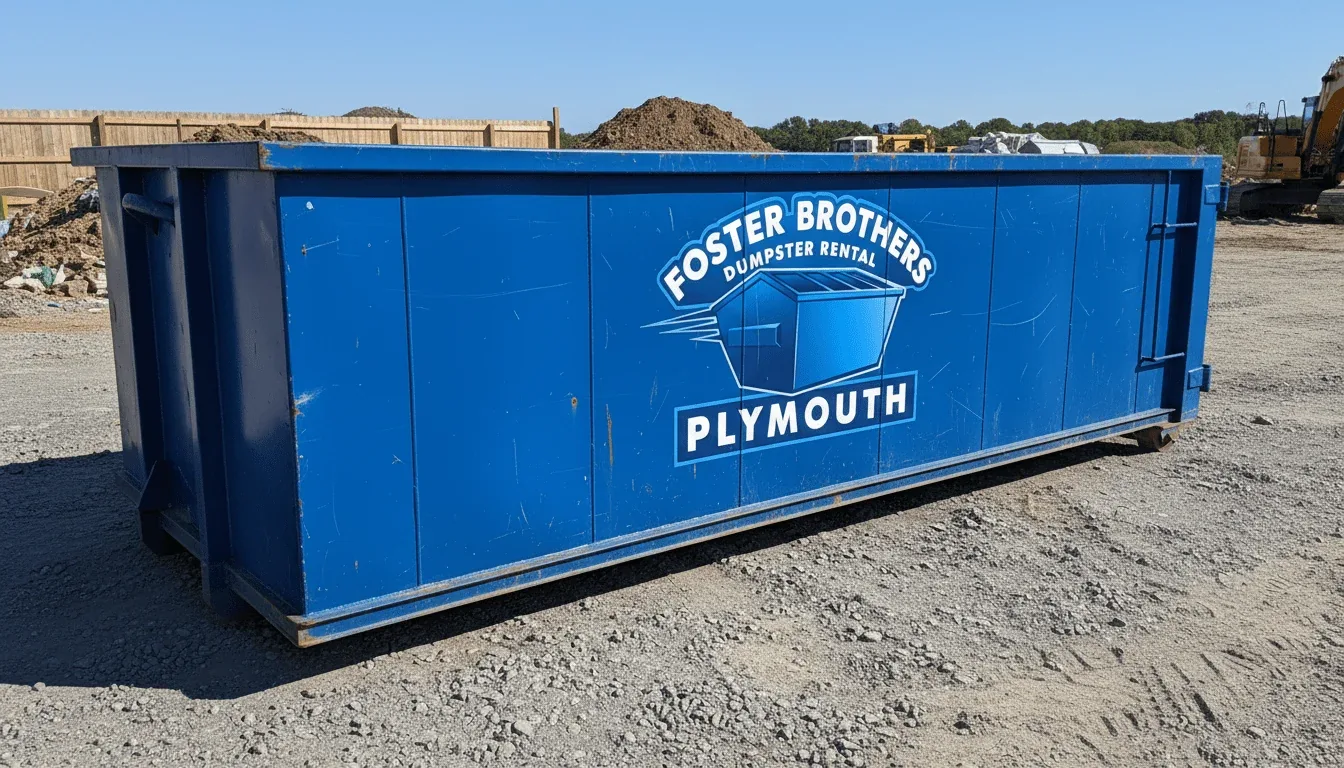
Most household, construction and yard debris is fine — but Massachusetts has a few state-specific rules worth knowing before you load, starting with electronics.