Roofing Tear-Off Dumpster Guide
Sizing a dumpster for a re-roof comes down to a few numbers most homeowners don't think about until the crew shows up. Here's how to get it right the first time.
Plymouth dumpster guide
Clearing out a family home is rarely simple. Here's a practical, room-by-room way to work through it — and where a dumpster rental fits into the process.
An estate cleanout almost never happens at a good time. Whether you're settling a parent's home after a loss, helping an aging relative downsize into a smaller place, or preparing a Plymouth property for sale, the work tends to land on top of everything else already going on in your life. This checklist is meant to make the physical side of it — sorting, deciding, and hauling — a little more manageable.
Before anything gets moved, it helps to know what timeline you're actually working with. If the home is going through probate, there may be restrictions on removing or disposing of certain property until the estate is formally settled, especially high-value items, vehicles, or anything named specifically in a will. This is a legal question, not a hauling one — if there's any uncertainty about what can be cleared out and when, it's worth a quick conversation with the estate's attorney or executor before a single dumpster gets ordered. Once you have a green light on timing, the physical work can move at whatever pace makes sense for the family.
The biggest time-saver in any cleanout is sorting first and moving second. A simple four-category system works for almost any size home:
Go room by room rather than trying to sort the whole house at once. Attics, basements, sheds, and garages tend to hold the most volume and the least sentimental value — often a good place to start, since early progress there makes the rest of the house feel more manageable.
Donating is almost always the better outcome when an item is genuinely usable, and most Plymouth-area families want to give furniture, clothing, and housewares a second life rather than send them to a landfill. But it's worth being honest about condition. Local donation centers can typically only accept items that are clean, functional, and reasonably current — stained upholstery, broken furniture, outdated electronics, and worn mattresses are usually turned away even with the best intentions. Rather than making several trips only to be told no, a quick call ahead to confirm what a donation center will take can save real time. Anything that doesn't qualify for donation or sale is where a dumpster earns its keep — it lets a family clear a full house in days rather than weekends, without a dozen trips to the transfer station.
Estate cleanouts tend to generate a different mix of debris than a typical renovation or move — old furniture, mattresses, boxes of papers, worn carpet, broken appliances, and years of accumulated household items, all at once. A 15 or 20-yard dumpster is usually enough for a single-family home cleanout, though a larger property or one with a garage and shed full of accumulated items may call for something bigger. If you're not sure which size makes sense for the amount of stuff you're facing, our size guide walks through it in more detail, and our dumpster size page lays out dimensions side by side.
Estate cleanouts are personal in a way that a kitchen remodel or a garage cleanout usually isn't. The Foster Brothers team treats these jobs with that in mind — placing a dumpster where it's convenient and unobtrusive, working around a family's schedule rather than rushing it, and staying flexible if a cleanout takes longer than expected because someone needs another day to go through a box of old photographs. There's no reason a practical task like debris removal has to feel impersonal. Our estate cleanout service page has more on how we approach this kind of work, and if it would help to have some of the physical labor handled as well, our junk removal service can take on the heavier lifting.
None of this has to happen alone, and it doesn't have to happen all in one exhausting weekend either. Whether you're clearing out a single room or an entire property, a well-placed dumpster can take one large piece of the burden off your plate so the rest of the process — the harder, more personal part — gets the attention it deserves.
Estate cleanouts often involve siblings or other family members who each have their own opinion about what stays and what goes, and that's normal — it's rarely a simple, one-person decision. Setting aside a little extra time for those conversations, rather than trying to rush through sorting decisions under pressure, tends to make the whole process go more smoothly. If it helps, photographing sentimental items before they're donated or disposed of can give everyone a record without requiring the physical item to be kept. There's no need to resolve every disagreement before a dumpster arrives, either — the disposal pile can always wait a day or two while a decision gets made, and our team can work around that kind of flexibility without a problem.
If you'd like to talk through sizing or scheduling for your specific situation, our contact page has the fastest ways to reach our team.
FAQs
It depends on the estate. Some sorting and organizing can usually begin right away, but removing or disposing of property may need to wait until the executor confirms it's permitted, especially for anything named specifically in a will. When in doubt, check with the estate's attorney before disposing of anything.
Most single-family home cleanouts fit in a 15 or 20-yard dumpster, but a property with a full garage, attic, and shed on top of the house itself may need something larger. Our team can help you size it based on the layout and how much has accumulated.
Household chemicals, paint, propane tanks, and similar hazardous items generally can't go in a roll-off dumpster and need separate disposal. If you're unsure about a specific item, it's best to ask before it goes in.
Ready when you are
Call and you will speak to someone local who knows the streets, the permit rules and which box actually fits your driveway. Flat rate quoted up front.
Keep reading
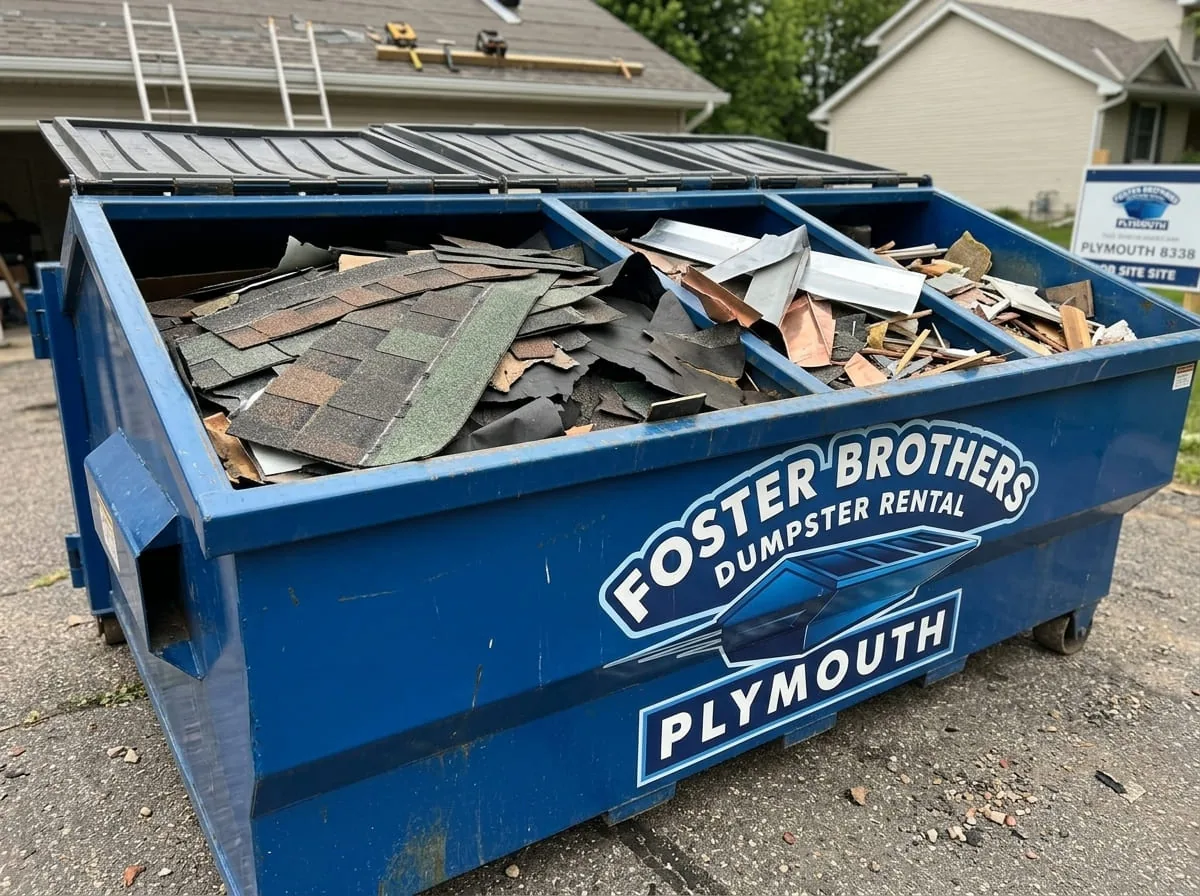
Sizing a dumpster for a re-roof comes down to a few numbers most homeowners don't think about until the crew shows up. Here's how to get it right the first time.
Nearly fifty years later, the Blizzard of 1978 is still the benchmark South Shore residents measure every big storm against. Here's the real history, and a practical guide to cleaning up after the next one.
The South Shore's cranberry heritage runs deep — and it also happens to shape the ground you're placing a dumpster on. Here's what bog-adjacent and rural properties should know.