Dumpster Placement on Cranberry Country Property
The South Shore's cranberry heritage runs deep — and it also happens to shape the ground you're placing a dumpster on. Here's what bog-adjacent and rural properties should know.
Plymouth dumpster guide
Nearly fifty years later, the Blizzard of 1978 is still the benchmark South Shore residents measure every big storm against. Here's the real history, and a practical guide to cleaning up after the next one.
Ask anyone who's lived on the South Shore long enough, and the Blizzard of 1978 still comes up as the storm every other storm gets compared to. It struck in early February and became one of the most destructive winter storms in Massachusetts history. Statewide, it caused 54 deaths and left roughly 2,500 homes seriously damaged or destroyed. Plymouth County was hit especially hard, recording more than 40 inches of snow along with coastal wind gusts up to 110 miles per hour.
The coastal flooding was as damaging as the snow. Near Plymouth's own Long Beach, storm tides rose about 20 feet above normal, and the surge pushed across Route 3A into the Eel River — a stretch of road South Shore residents still picture whenever a major coastal storm is forecast. One widely reported detail from that day: a 7-year-old boy was briefly swept off his feet by the surge before a bystander pulled him to safety. It's the kind of detail that's stuck in local memory for decades, a reminder of just how fast conditions turned from a bad snowstorm into a genuinely dangerous coastal flood.
The Blizzard of 1978 isn't the only storm that shaped how the region thinks about severe weather. Hurricane Bob, in 1991, caused more than a billion dollars in damage across Massachusetts, which was the hardest-hit state in the storm's path — with Cape Cod and Buzzards Bay-area towns, including Bourne, especially affected. Between the two events, the South Shore has a long, well-documented history of major storms doing real damage to trees, roofs, and coastal property, and that history is part of why so many homeowners in this area take storm prep and storm cleanup seriously.
Whether it's a winter nor'easter, a summer downburst, or a tropical system working its way up the coast, the aftermath tends to leave a similar mix of debris behind:
None of that debris disappears on its own, and after a big storm, curbside pickup and the transfer station both tend to get backed up fast with everyone in the neighborhood cleaning up at once. A dumpster on site lets a household clear storm debris on its own timeline instead of waiting in line behind the rest of the street.
For yard debris — downed branches, brush, and general storm-blown material — our yard waste dumpster service is usually the right fit. For heavier structural damage, like a damaged shed, fencing, or roofing torn loose in high wind, our demolition debris service is built for that kind of mixed, heavier load. And when a storm hits and cleanup can't wait for a normal booking window, our same-day dumpster rental option is there specifically for situations like that.
The Blizzard of 1978 is a piece of local history the South Shore hasn't forgotten, and it's a useful reminder that a bad storm here isn't hypothetical — it's happened before, more than once, and it will happen again. Being ready to clean up quickly and safely afterward is just part of living on this coast.
You can't control when a major storm rolls up the coast, but you can control how ready your property is to handle the aftermath. A few things are worth doing before storm season is even on the radar: walk the property and note any dead limbs or leaning trees that could come down in high wind, make sure fencing and outbuildings are in reasonably solid repair, and know ahead of time who you'd call for cleanup if a storm does real damage. None of that guarantees a storm won't cause a mess — nothing does, as 1978 made clear — but it does mean the cleanup afterward goes faster and smoother when it's needed.
It's also worth thinking about cleanup capacity, not just prevention. A single storm can generate more yard and structural debris than a household would normally produce in a year, all at once, and there's no getting around the fact that it has to go somewhere. Keeping the number for a local hauler on hand, rather than trying to find one in the scramble after a storm has already passed through, is a small piece of preparation that pays off when it matters.
If a storm has left debris on your property and you need a dumpster fast, our contact page is the quickest way to reach our team.
FAQs
Plymouth County recorded more than 40 inches of snow during the Blizzard of 1978, along with coastal wind gusts up to 110 miles per hour.
Downed limbs and trees, damaged fencing and sheds, torn roofing material, and sometimes flooded household items where water got into a garage or basement. Most of it falls into either yard waste or demolition-style debris.
It depends on demand in the days right after a major storm, since many households are cleaning up at once. Booking as early as possible, or asking about same-day availability, gives you the best chance of getting a dumpster on site quickly.
Ready when you are
Call and you will speak to someone local who knows the streets, the permit rules and which box actually fits your driveway. Flat rate quoted up front.
Keep reading
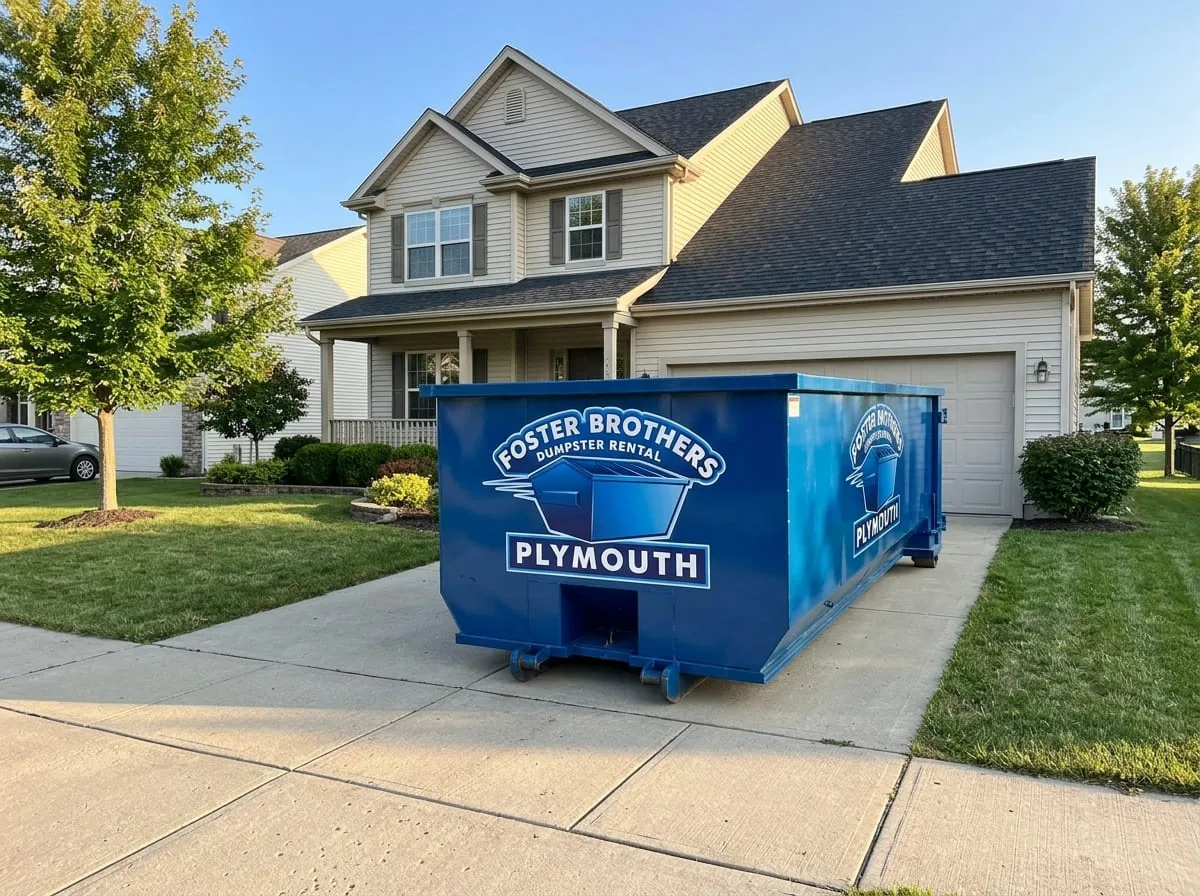
The South Shore's cranberry heritage runs deep — and it also happens to shape the ground you're placing a dumpster on. Here's what bog-adjacent and rural properties should know.
Massachusetts has some of the country's strictest waste disposal ban rules. Here's what actually applies to a typical home project or renovation in Plymouth, and how to stay on the right side of it.
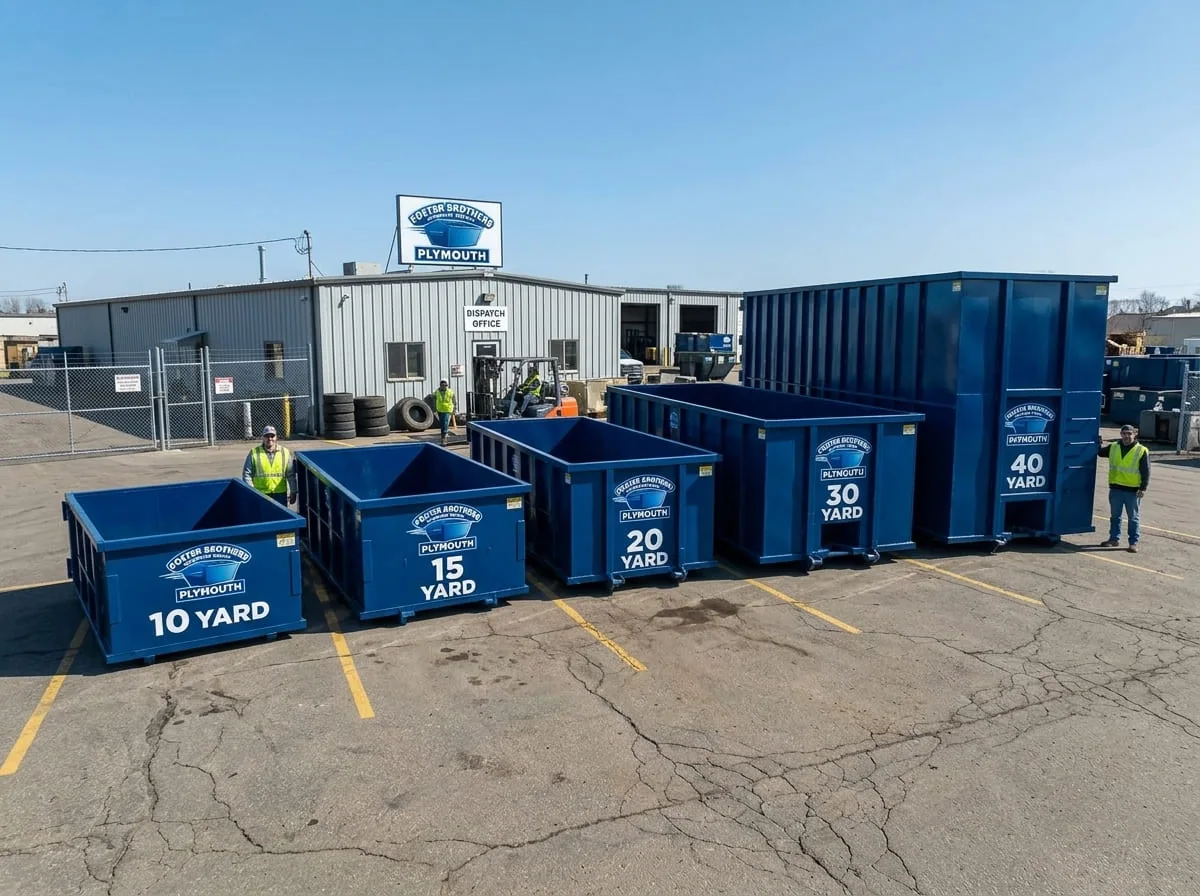
Five roll-off sizes, one simple rule for picking between them — matched to the projects Plymouth and South Shore homeowners actually run.